
Restricted vs Unrestricted Fund Expenses
A practical, data-backed guide to controlling costs and automating expense workflows.
Understanding the difference between restricted and unrestricted funds is crucial for small non-profits to ensure legal compliance, maintain donor trust, and manage their finances effectively. Restricted funds are donations received with specific conditions, such as being used for a particular program or project, while unrestricted funds have no such limitations. Proper expense management for non-profit organizations requires accurately tracking and reporting these funds to avoid costly mistakes that could jeopardize their mission and tax-exempt status. For a complete overview, see our expense management guide.
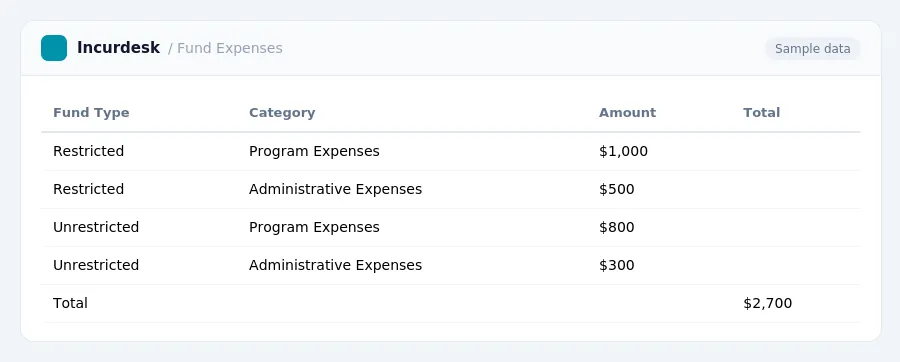
Understanding Restricted and Unrestricted Funds
Restricted and unrestricted funds are two types of net assets that nonprofits use to manage their finances. According to FASB ASU 2016-14, nonprofits classify net assets into two categories: "without donor restrictions" (formerly unrestricted) and "with donor restrictions" (which combines former temporarily and permanently restricted categories).
- Unrestricted funds have no such limitations and can be used by the organization's board and staff at their discretion for any mission-aligned need, including operational expenses like rent, salaries, and overhead.
- Restricted funds, on the other hand, can only be spent according to the donor's intent. Violating these restrictions can lead to legal consequences, including potential lawsuits from donors or inquiries from the state attorney general.
There is also a difference between designated funds and restricted funds. Designated funds are set aside by the board of directors and can be reversed by the board. Restricted funds, however, are set by the donor or grantor and are legally enforceable.
Permanently restricted funds, often endowments, must be preserved in perpetuity, with only the income or interest used for the stated purpose.
| Category | Description |
|---|---|
| Unrestricted Funds | |
| Restricted Funds |

Key Differences Between Restricted and Unrestricted Funds
- Restricted funds are donated with specific instructions on how the money can be used, such as a donor stipulating that funds be used for a particular program or project.
The following table summarizes the key differences between restricted and unrestricted funds:
| Characteristics | Restricted Funds | Unrestricted Funds |
|---|---|---|
| Donor instructions | Donor specifies how funds can be used | Donor does not specify how funds can be used |
| Use of interest earned | Typically also restricted, if specified in the gift agreement | Can be used for any purpose |
It's essential to carefully review gift agreements to ensure that you understand the donor's intentions and comply with any restrictions.
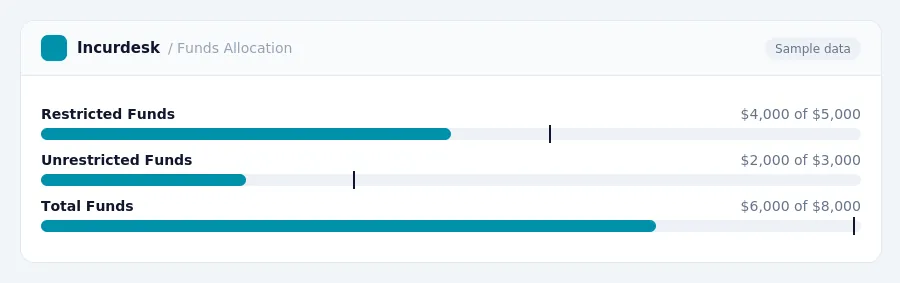
When to Use Restricted Funds
Restricted funds are ideal for situations where donors have specific requirements for their contributions. These funds come with conditions that the nonprofit must adhere to, as they are legally binding. To determine if a restricted fund is suitable for your organization, consider the following:
Ask yourself:
- Has a donor specified a particular purpose for their contribution?
- Is the contribution tied to a specific time period or project?
- Has the donor designated the funds for a particular department or asset use?
In this case, a temporarily restricted fund would be the best choice, as it will be released once the condition is met or the time passes.
When creating a restricted fund, ensure that you clearly document the donor's requirements and the specific conditions attached to the funds. This will help you manage the funds effectively and maintain transparency with your donors.

When to Use Unrestricted Funds
Unrestricted funds are essential for nonprofits to maintain financial flexibility and respond to changing needs and priorities. Use unrestricted funds when you have the freedom to allocate them as needed to support your organization's overall mission and goals. This type of funding is not tied to a specific purpose or donor designation, allowing you to apply it to various areas, such as:
- General operating expenses, such as salaries, rent, and utilities
- Capital expenditures, like equipment purchases or facility improvements
- Program development and implementation
- Emergency funding or contingency planning
This means you must track and report on the use of unrestricted funds accurately, ensuring that you only use them for their intended purpose. You can allocate unrestricted funds at your discretion, but be sure to follow your organization's governing documents and policies to ensure compliance.
When using unrestricted funds, consider the following:
- Ensure that you have sufficient documentation and records to support the use of unrestricted funds.
- Maintain transparency in your financial reporting to donors and stakeholders.
- Review and update your budget and financial plans regularly to ensure that you are using unrestricted funds effectively.
By using unrestricted funds wisely, you can maintain the financial health and flexibility of your nonprofit organization, allowing you to achieve your mission and goals.

Managing Restricted and Unrestricted Funds Effectively
Managing restricted and unrestricted funds effectively is crucial for the success of your small nonprofit organization. To ensure accurate financial reporting and maintain donor trust, it's essential to handle both types of funds with care. Here are some practical tips to help you manage restricted and unrestricted funds effectively:
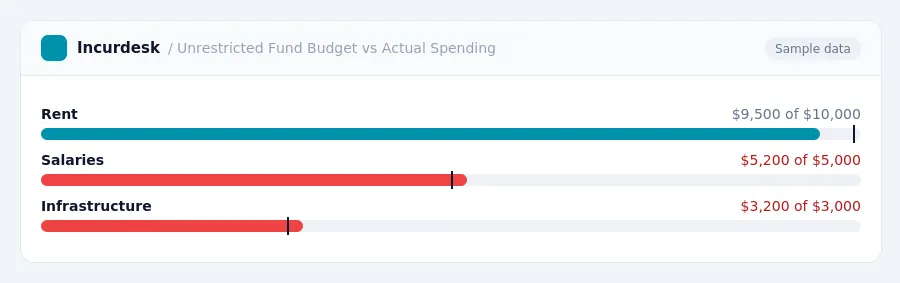
Unrestricted dollars are highly valuable for small nonprofits as they cover essential operating costs like rent, salaries, and infrastructure that keep the organization running. To maximize their impact, consider the following:
- Allocate unrestricted funds to essential operating expenses first.
- Use a budgeting tool to track and categorize expenses.
- Regularly review and update your budget to ensure accurate financial projections.
For restricted funds, ensure that you:
- Clearly document the donor's intent and restrictions.
- Establish a separate fund account for restricted funds.
- Monitor and report on the use of restricted funds regularly.
By following these steps, you can effectively manage your restricted and unrestricted funds, maintain donor trust, and ensure the long-term sustainability of your organization.
| Task | Unrestricted Funds | Restricted Funds |
|---|---|---|
| Allocate to Essential Expenses | Yes | No |
| Track and Categorize Expenses | Yes | Yes |
| Regularly Review and Update Budget | Yes | Yes |
| Document Donor's Intent | No | Yes |
| Establish Separate Fund Account | No | Yes |
Keeping this simple: Incurdesk turns submitted expenses into clean expense reports. It is built for small non profits teams. Try it free.
Stop losing 4+ hours a week
30-day free trial · No credit card · Setup in 15 minutes