
Spend Management Tips for Small NGOs
A practical, data-backed guide to controlling costs and automating expense workflows.
As a small non-profit organization with 5-50 staff, managing your expenses effectively is crucial for maintaining compliance and ensuring the longevity of your organization. Expense management for non-profit organizations requires a strategic approach to allocating resources, tracking expenditures, and minimizing waste. By implementing sound spend management practices, you can optimize your financial resources and achieve your mission goals. For a complete overview, see our expense management guide.
Establishing an Accountable Plan
Nonprofits should periodically review their accountable plans to ensure they align with IRS regulations, state laws, and organizational policies.
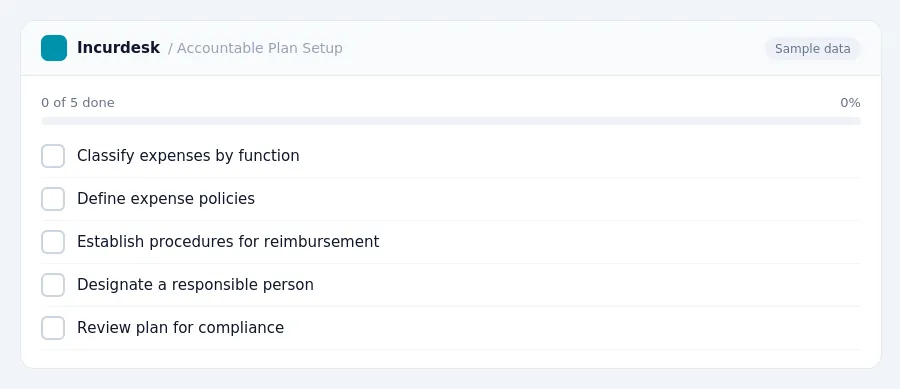
Developing an accountable plan involves several key steps:
- Classify expenses by function: Expenses should be categorized into three main functions: program services, management and general, and fundraising. This classification ensures transparency and compliance.
- Define expense policies: Clearly outline what expenses are allowed and what are not, including limits on certain expenses such as meals and travel.
- Establish procedures for reimbursement: Determine how employees will be reimbursed for expenses and set clear guidelines for submitting expense reports.
- Designate a responsible person: Appoint someone to oversee the accountable plan and ensure it is followed.
By following these steps, nonprofits can establish an accountable plan that meets the needs of their organization and ensures compliance with IRS regulations and state laws.
Reimbursement and Expense Management
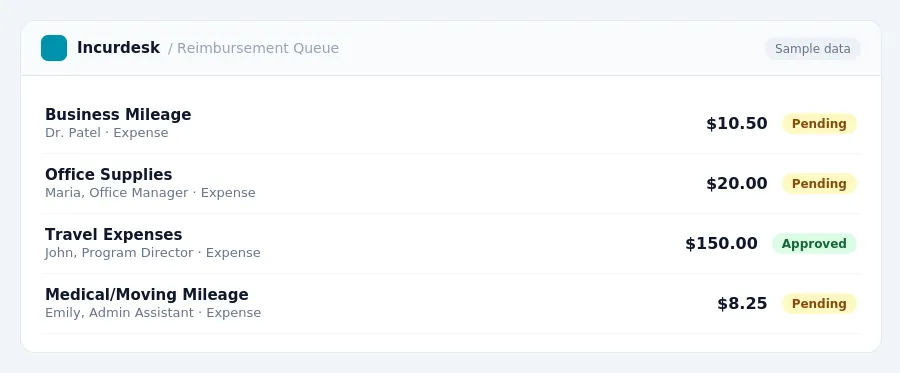
When it comes to reimbursing employees for business-related expenses, it's essential to follow the correct procedures to ensure compliance and maintain accurate records.
Business Mileage Reimbursement:
- For the second half of 2026 (July 1 - December 31), the business mileage reimbursement rate is 76 cents per mile.
- For 2025, the business mileage reimbursement rate was 70 cents per mile.
- For 2024, the business mileage reimbursement rate was 67 cents per mile.
Medical/Moving Mileage Reimbursement:
To ensure accurate reimbursement, keep the following in mind:
- Provide employees with a clear understanding of what expenses are eligible for reimbursement.
- Establish a process for submitting and approving expense reports.
- Keep detailed records of all reimbursed expenses, including dates, amounts, and purposes.
- Verify that all reimbursed expenses are for legitimate business purposes.
Tracking and Record-Keeping
Accurate tracking and record-keeping are crucial for small NGOs to ensure compliance and maintain financial integrity. To meet these requirements, keep a written record of all expenses, including:
- Amount
- Date
- Business purpose
- Location
- Business relationship of individuals involved
Organizations must maintain these records to corroborate expenses. Be sure to update records accordingly, especially with mid-year adjustments to business and medical/moving rates in 2026. When tracking mileage, note the period of travel to ensure accurate reimbursement.
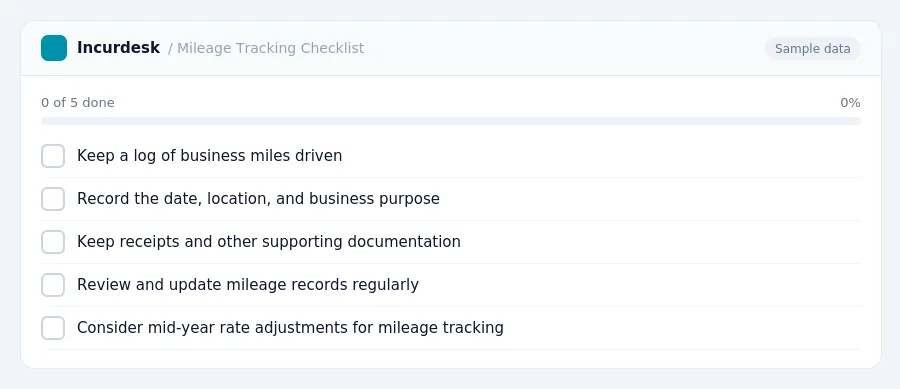
For mileage tracking, consider the following:
- Keep a log of business miles driven, including the date, location, and business purpose.
- Record the number of miles driven during different periods, taking into account the mid-year rate adjustments.
- Keep receipts and other supporting documentation for mileage expenses.
Remember to review and update records regularly to ensure accuracy and compliance with regulations.
Compliance and Auditing
- Stay Informed About Tax Laws and Regulations: Regularly review the IRS website and consult with a tax professional to stay up-to-date on the latest tax laws and regulations affecting non-profits.
- Conduct Internal Audits: Perform regular internal audits to ensure compliance with financial regulations and identify areas for improvement.
- Keep Accurate Records: Maintain accurate and detailed records of all financial transactions, including receipts, invoices, and bank statements.
- Use a System of Internal Controls: Establish a system of internal controls, including segregation of duties, to prevent and detect financial mismanagement.
- Prepare for Audits: Develop a plan for responding to audits, including gathering necessary documents and preparing a clear explanation of financial transactions.
When an audit is conducted, be prepared to provide detailed explanations of financial transactions and demonstrate compliance with financial regulations.
Internal Controls and Best Practices
A nonprofit audit can strengthen internal controls, ensure accurate reporting, and build credibility with funders.
Consider implementing the following internal controls:
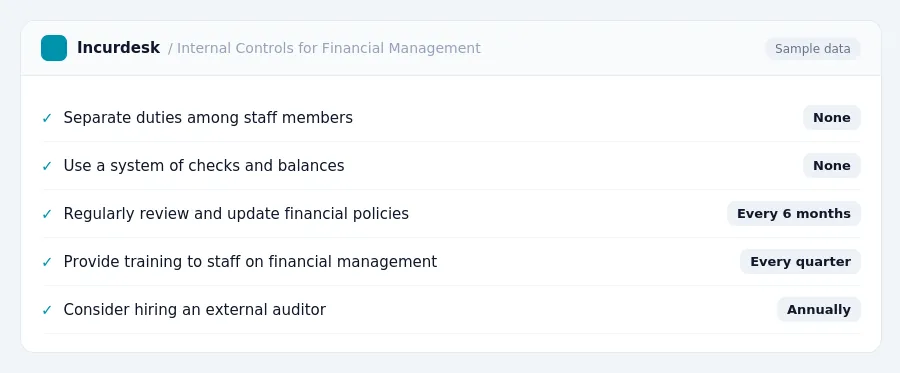
- Separate duties among staff members to prevent any one person from controlling all aspects of financial management.
- Use a system of checks and balances to ensure that financial transactions are properly authorized and approved.
- Regularly review and update financial policies and procedures to ensure compliance with relevant laws and regulations.
- Provide training to staff on financial management and internal controls to ensure they understand their roles and responsibilities.
- Consider hiring an external auditor to review financial statements and provide an independent opinion on the accuracy and completeness of financial reporting.
Best practices for internal controls include:
- Establishing a whistleblower policy to encourage staff to report any suspected irregularities.
- Conducting regular internal audits to identify and address any control weaknesses.
- Providing transparency and accountability in financial management to stakeholders, including funders and donors.
- Ensuring compliance with relevant laws and regulations, including the Sarbanes-Oxley Act and the Internal Revenue Code.
Keeping this simple: Incurdesk collects every receipt and expense report in one place, so spending is easy to review. It is built for small non profits teams. Try it free.
Stop losing 4+ hours a week
30-day free trial · No credit card · Setup in 15 minutes