
Staff Reimbursement FAQ for Nonprofit Finance Teams
A practical, data-backed guide to controlling costs and automating expense workflows.
For nonprofit finance teams, understanding how to reimburse employees for business expenses in a compliant and tax-efficient manner is crucial. By doing so, you'll be able to effectively manage business expenses for non-profit organizations and maintain the financial integrity of your organization. For the bigger picture, see our guide to expense management for non-profit organizations. For a complete overview, see our expense management guide.
What is an Accountable Plan and How Does it Work?
An accountable plan is a type of reimbursement arrangement that allows employees to be reimbursed for business expenses incurred on behalf of the organization. To establish an accountable plan, your nonprofit must have a written plan in place that outlines the rules and procedures for submitting and reimbursing employee expenses.
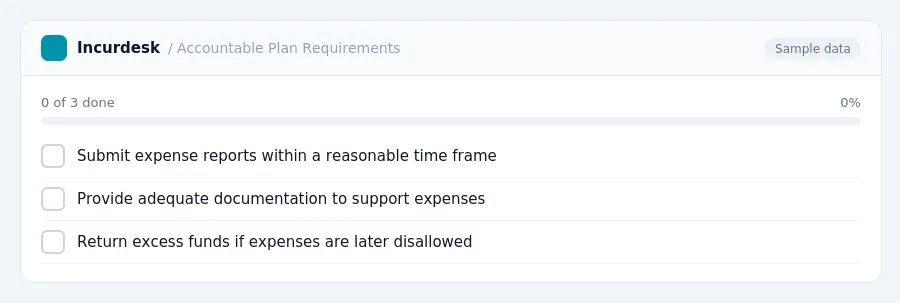
To be considered an accountable plan, the plan must meet the following requirements:
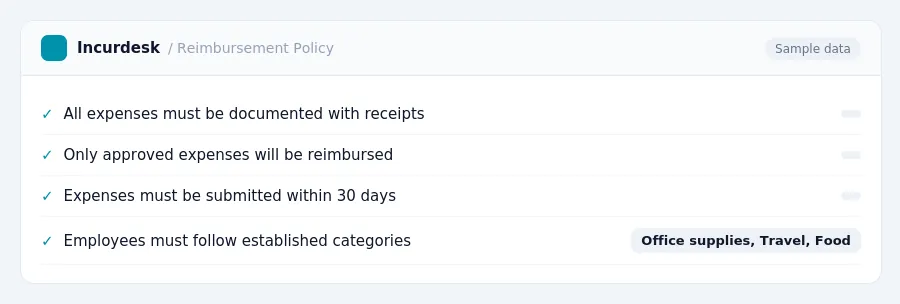
- The plan must require employees to submit expense reports within a reasonable time frame after incurring the expense.
- The plan must require employees to provide adequate documentation to support the expense, such as receipts or invoices.
- The plan must require employees to return any excess funds if the expense is later disallowed.
Understanding Reimbursement Rates for Business Expenses
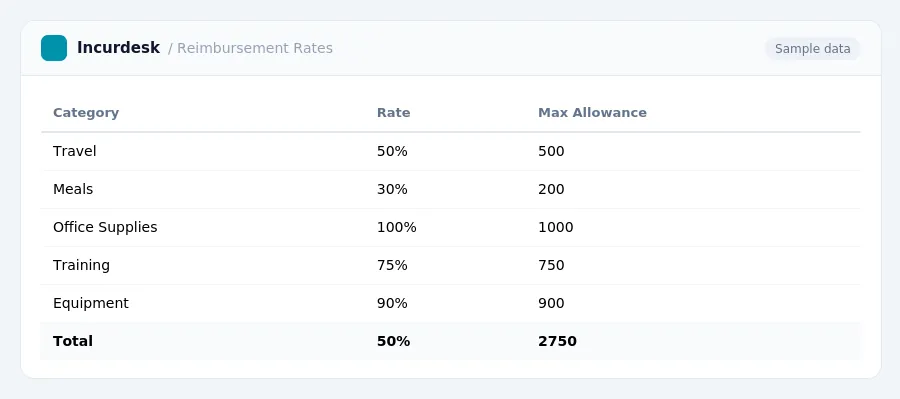
To determine the correct reimbursement rate, consider the type of expense and the location where it was incurred.
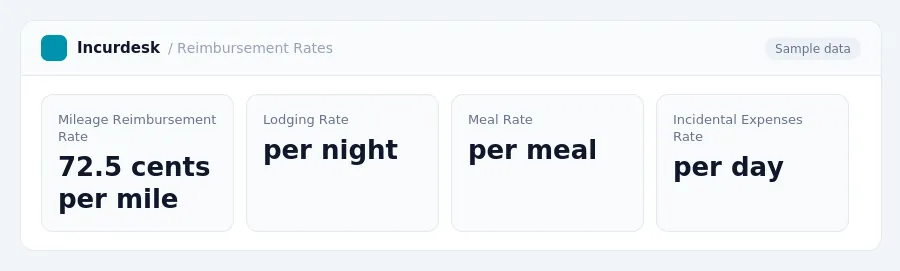
For the period of January 1, 2026, to June 30, 2026, the rate was 72.5 cents per mile.
For lodging, meals, and incidental expenses, the rates are as follows:
What Expenses Qualify for Reimbursement Under an Accountable Plan?
- A business connection for the expense: The expense must be related to the employee's work or business.
- Adequate substantiation of the expense: The employee must provide receipts or records to support the expense, such as receipts for meals or transportation costs.
- Return of any excess reimbursement within a reasonable period: If the employee is reimbursed for an expense and then determines that the expense was not actually incurred or was not necessary, they must return the excess reimbursement within a reasonable period.
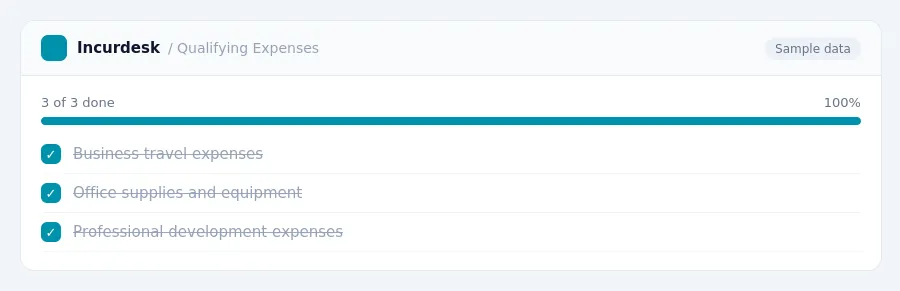
Examples of expenses that may qualify for reimbursement under an accountable plan include:
- Business travel expenses, such as transportation costs and meals
- Office supplies and equipment
- Professional development expenses, such as conference fees and training courses
It's essential to note that the ban on deducting unreimbursed employee expenses is permanent, making accountable plans crucial for tax benefits.
How to Avoid Common Pitfalls and Ensure Compliance
Nonprofit finance teams must be vigilant when it comes to reimbursing employee expenses under an accountable plan. To ensure compliance and avoid common pitfalls, follow these best practices:
- Clearly document all reimbursement policies and procedures, and make them easily accessible to employees.
- Establish a system for tracking and verifying employee expenses, including receipts and expense reports.
- Train employees on the reimbursement process and the requirements for an accountable plan.
- Keep accurate and detailed records of all reimbursements, including dates, amounts, and purposes of expenses.
Additionally, be aware of the following potential pitfalls:
- Failure to provide timely and accurate reimbursement to employees, which can lead to tax liabilities and damaged employee morale.
- Failure to establish and maintain an accountable plan, which can result in tax liabilities for both the employee and the organization.
Recording and Reimbursing Employee Expenses
Here are some steps to follow:
- Create a system for employees to submit expense reports, either digitally or in paper form.
- Require employees to include receipts for all expenses, along with a detailed description of the expense and the business purpose.
- Establish a deadline for employees to submit expense reports, such as monthly or quarterly.
- Designate someone to review and process expense reports, ensuring that all expenses are reasonable and comply with the accountable plan.
- Use a table or spreadsheet to track and categorize expenses, making it easier to identify trends and areas for improvement.
Also, consider using a check or direct deposit to avoid any potential tax implications.
Keep accurate records of all reimbursements, including the date, amount, and purpose of each expense.
Consider implementing a process for employees to request reimbursement for expenses, such as through an online portal or email. This will help streamline the reimbursement process and reduce the risk of errors.
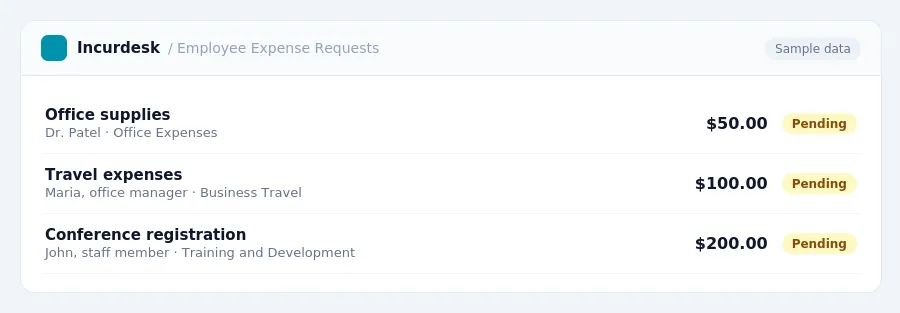
Keeping this simple: Incurdesk keeps receipts and approvals together, so you know exactly what to reimburse. It is built for small non profits teams. Try it free.
Stop losing 4+ hours a week
30-day free trial · No credit card · Setup in 15 minutes