
The Real Cost of Late Reimbursements to Clinical Staff
A practical, data-backed guide to controlling costs and automating expense workflows.
Small healthcare businesses with 5-50 people need to understand the financial and operational impact of delayed reimbursements to their clinical staff. To mitigate these costs, consider implementing effective healthcare expense management for under $10/user (2026) to ensure timely payments and minimize the risk of claim denials and delayed reimbursements.
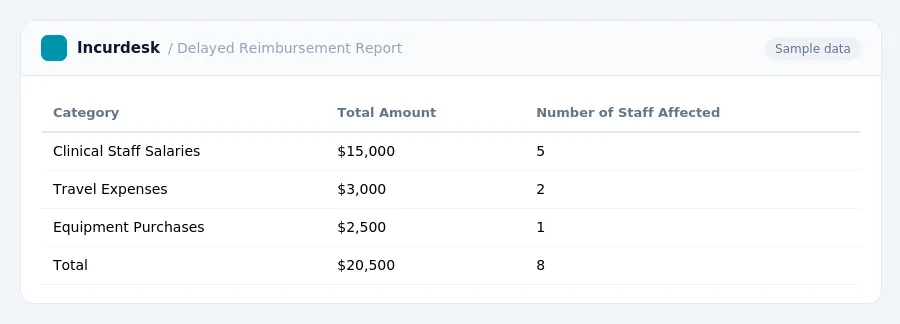
Calculating the Costs of Non-Compliance
The costs of non-compliance with timely payment regulations can be substantial.
Additionally, consider the impact of delayed reimbursements on your business. According to a study, 80% of U.S. This can result in lost productivity and staff turnover, which can be difficult to quantify. However, you can estimate these costs by calculating the potential revenue lost due to delayed payments.
For the 2026-2027 period, new high-cost localities have been added, which may also impact your business. Check the latest regulations to determine if your business is subject to these new rules.
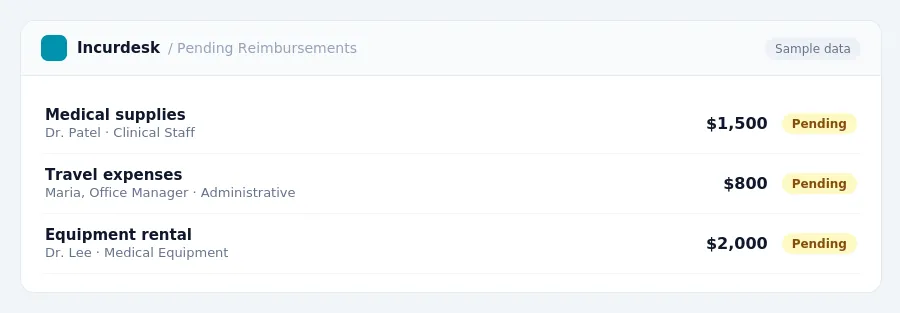
Keeping this simple: Incurdesk lets your team snap a photo of a receipt and fills in the details for you. It is built for small healthcare teams. Try it free.
Staff Turnover and Productivity Loss
Financial stress is a significant concern for clinical staff, particularly when it comes to delayed reimbursements. According to Employee Financial Stress, workers struggling with healthcare bills are more likely to miss work or lower their productivity.
- Missed work can lead to lost revenue and additional staffing costs.
- Lower productivity can result in decreased patient satisfaction and reduced quality of care.
It's essential to address the root cause of financial stress and provide support to clinical staff. This can include offering financial counseling, flexible payment plans, or access to employee assistance programs.
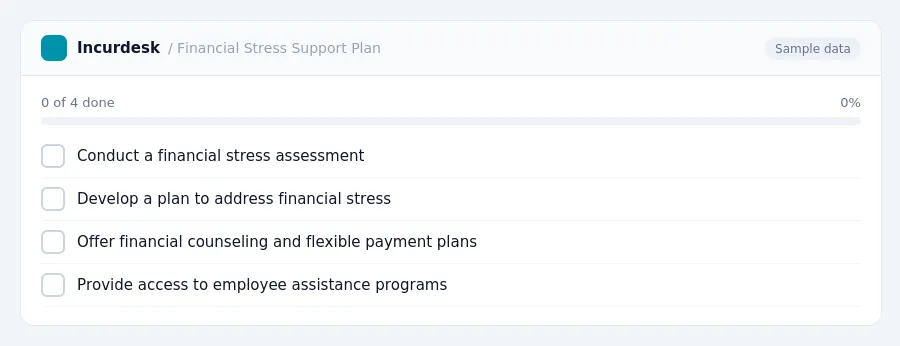
By mitigating the effects of financial stress, you can reduce the likelihood of staff turnover and improve overall productivity. To get started, consider the following steps:
- Conduct a financial stress assessment to identify areas of concern.
- Develop a plan to address financial stress, including support services and resources.
- Communicate with staff about the importance of timely reimbursements and the impact of delayed payments.
By taking proactive steps to address financial stress, you can reduce the risk of staff turnover and improve productivity, ultimately benefiting your patients and your practice.
Understanding the Regulations
Small healthcare businesses need to comply with federal and state regulations regarding timely payments to their clinical staff.
It's essential to note that a study found that 80% of U.S. medical bills contain errors, leading to claim denials and delayed reimbursements.
Here are some key regulations to keep in mind:
- Ensure accurate documentation of expenses to avoid claim denials.
- Check the Medical Billing Errors (2026) study for more information on common errors and their impact on reimbursement.
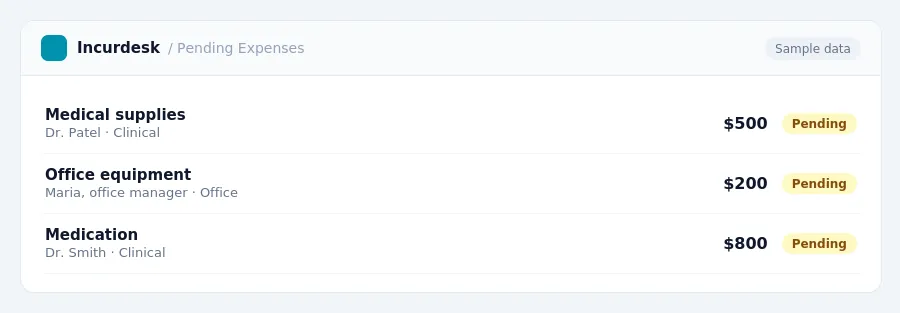
The Financial Impact of Delayed Reimbursements
The financial impact of delayed reimbursements can be significant, affecting not only the bottom line of your healthcare business but also the morale and productivity of your clinical staff. According to a study, 80% of U.S.
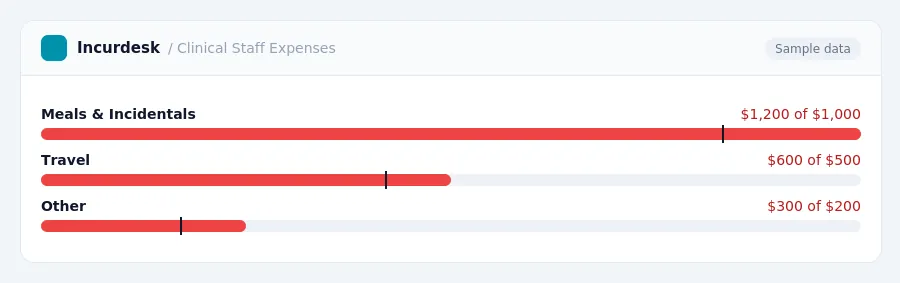
For example, let's consider a clinical staff member who is entitled to a daily meal and incidental expenses (M&IE) allowance of $86 for high-cost localities. This amount may seem small, but it can add up quickly, especially if it happens to multiple staff members.
Moreover, delayed reimbursements can also lead to lost productivity, as staff members may need to spend extra time tracking down missing payments or dealing with administrative tasks. To mitigate this, consider implementing a system to track and follow up on reimbursement claims in a timely manner.
Here are some steps you can take to minimize the financial impact of delayed reimbursements:
- Review your billing processes to identify and correct errors that may be leading to claim denials.
- Consider hiring a professional to review your billing processes and provide recommendations for improvement.
Mitigating the Effects of Late Reimbursements
When it comes to mitigating the effects of late reimbursements, small healthcare businesses need to take proactive steps to minimize the financial and operational impact. Here are some practical strategies to consider:
- Implement a robust claims management process. This includes verifying patient information, checking insurance coverage, and ensuring that all necessary documentation is complete and accurate. By streamlining your claims process, you can reduce the likelihood of errors and delays.
- Communicate effectively with payers and patients. Keep patients informed about the status of their claims, and work closely with payers to resolve any issues that may arise. This can help to build trust and reduce the risk of delayed payments.
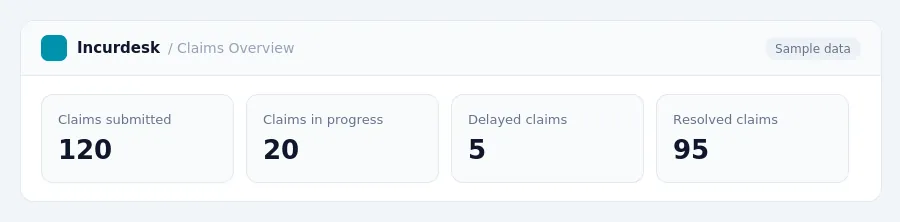
- Monitor and track claims in real-time. Use technology to track the status of your claims, and receive alerts when payments are delayed or denied. This can help you to identify and address issues quickly, reducing the financial impact of late reimbursements.
- Review and update your billing processes regularly. As the healthcare industry evolves, billing processes and regulations can change. Regularly reviewing and updating your processes can help you to stay compliant and minimize the risk of errors and delays.
- Consider outsourcing billing and claims management. If your business is not equipped to handle billing and claims management in-house, consider outsourcing to a reputable provider. This can help to reduce the financial and operational impact of late reimbursements, and free up staff to focus on patient care.
Stop losing 4+ hours a week
30-day free trial · No credit card · Setup in 15 minutes