
Tracking Expenses on Contingency Cases
A practical, data-backed guide to controlling costs and automating expense workflows.
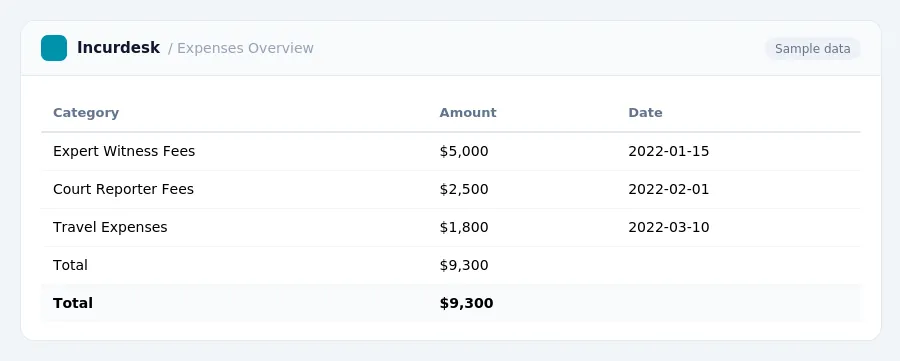
For small law firms, tracking expenses on contingency cases is crucial to ensure profitability, maintain good client relationships, and comply with regulations. Effective expense management for law firms involves accurately recording recoverable costs, such as expert witness fees, court reporter fees, and travel expenses, to maximize the client's net recovery. By accounting for these expenses carefully, law firms can avoid tax issues and maintain transparency with clients, ultimately achieving a higher success rate in contingency cases.
Define Contingency Fee Arrangements
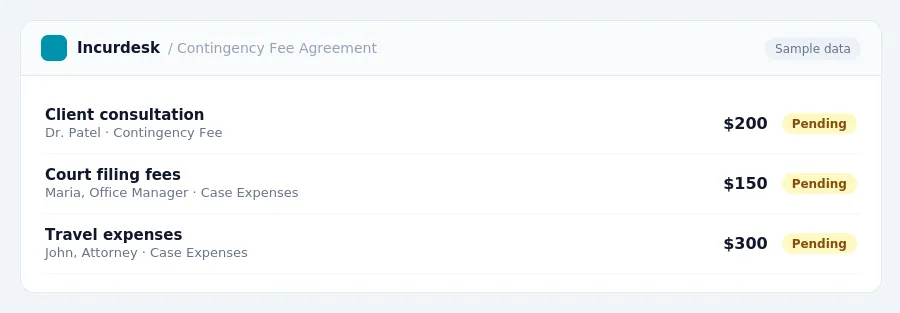
When starting a contingency fee case, define the arrangement clearly with the client. This includes determining the contingency fee percentage, which most often falls between 25% and 40% of the client's final settlement or court award. The fee agreement must also specify whether case expenses are deducted before or after the contingency fee is calculated.
Ensure the contingency fee agreement is in writing and signed by the client and attorney when the anticipated fees and costs total $1,000 or more. The written agreement must clearly state the contingency fee percentage, how expenses are handled, and what happens if the client loses.
Understand the tax implications of litigation costs advanced on behalf of clients. According to
Track Recoverable Costs and Expenses
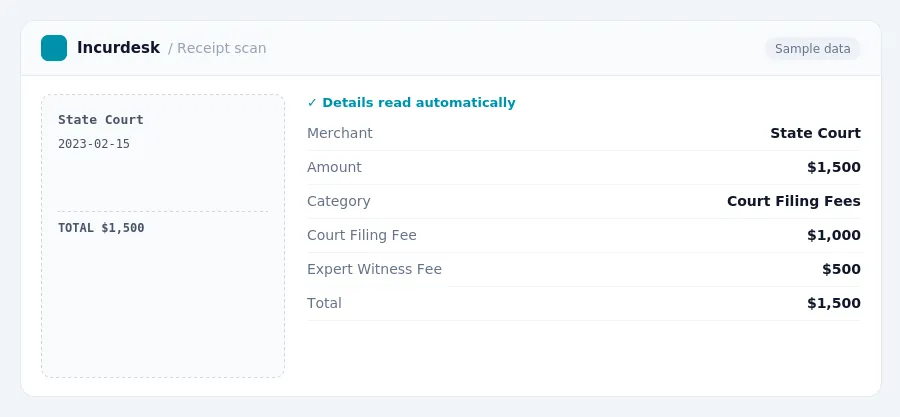
- Identify and track hard costs associated with the contingency case, such as court filing fees and expert witness fees. These costs are typically paid to a third party and can be directly billed to the client. Some examples of hard costs include:
- Determine which internal resources, or soft costs, can be billed to the client. Soft costs may include copying, research time, and other internal expenses. Firms may choose to bill clients for these expenses, but it's essential to consider the overall fee arrangement and any applicable laws.
- If the firm operates under a gross fee arrangement where expenses are not expected to be reimbursed, ensure that all costs are deducted immediately from the settlement or award.
- Be aware of state-specific laws regarding employer reimbursement of necessary business expenses. These laws can impact how firms handle certain client-related costs if they are structured as an employer-employee relationship.
Account for Advanced Client Costs
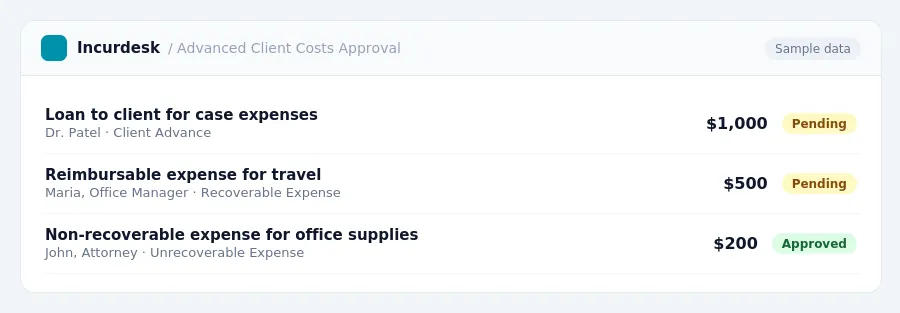
Advanced client costs, also known as loans to the client, are considered assets on the firm's balance sheet. This means they should be tracked separately from immediate expenses.
When tracking advanced client costs, it's essential to distinguish between recoverable and unrecoverable expenses. Recoverable expenses can be deducted only if the case is lost and the client cannot repay the advance.
It's crucial to maintain accurate records of advanced client costs, including the amount advanced, the date, and the client's agreement to repay. This will help ensure compliance with tax regulations and facilitate the tracking of recoverable costs.
Communicate with Clients on Expenses
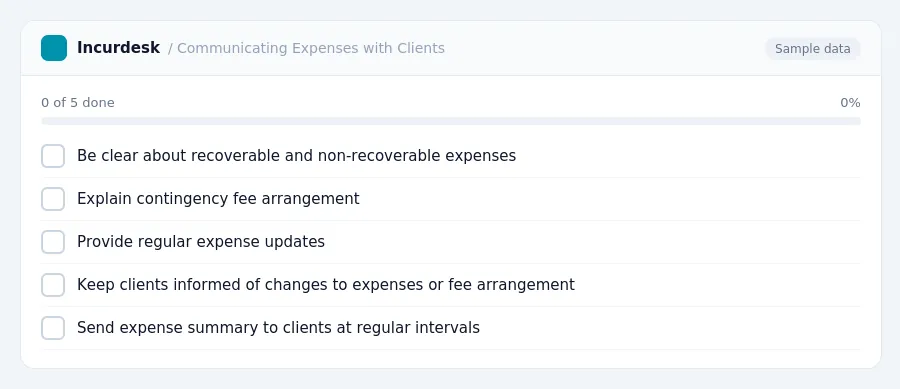
Transparency is key when it comes to communicating expenses to clients. This can help prevent misunderstandings and maintain trust in your relationship. Here's how to do it effectively:
- Be clear about what expenses are recoverable and what's not. Explain how your contingency fee arrangement works, including the percentage you'll take (which typically ranges from 25% to 40% of the client's final settlement or court award).
- Provide regular updates on expenses, including any advanced client costs you've incurred. This can help clients understand the financial situation and plan accordingly.
- Keep clients informed about any changes to expenses or the contingency fee arrangement. This can help avoid surprises and maintain trust.
- Consider sending a summary of expenses to clients at regular intervals, such as quarterly or bi-annually. This can help keep them informed and up-to-date on the financial situation.
By following these steps, you can maintain open and transparent communication with clients about expenses, which is essential for building trust and maintaining a positive relationship.
Manage Cash Flow and Track Time
-
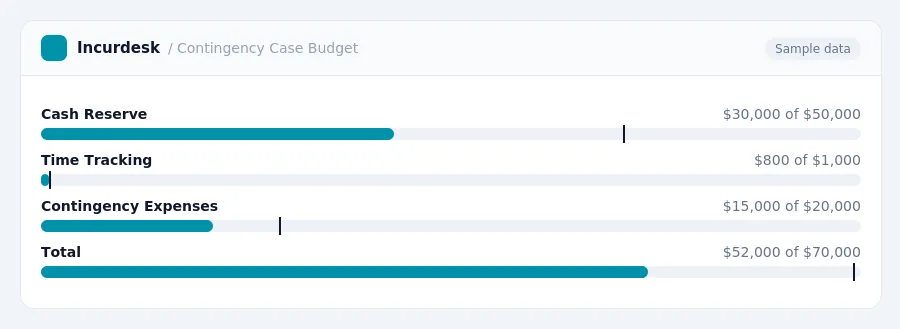
Monitor your firm's cash flow closely, especially when advancing costs for contingency cases. This is crucial, as contingency firms often advance costs for months or years, which can strain cash flow.
-
Establish a cash reserve to cover unexpected expenses and ensure you can meet your financial obligations. This will help you avoid financial strain and maintain a healthy cash flow.
-
Track time spent on contingency matters to understand your firm's true profitability. This will also help you calculate an effective hourly rate per matter, even if not directly billed.
-
Regularly review your firm's cash flow and adjust your financial strategy as needed. This will help you stay on top of your finances and make informed decisions about your firm's financial health.
By following these steps, you can better manage your cash flow and track time on contingency matters, ultimately helping your firm maintain its financial stability and achieve its goals.
Keeping this simple: Incurdesk turns submitted expenses into clean expense reports. It is built for small law firm teams. Try it free.
Stop losing 4+ hours a week
30-day free trial · No credit card · Setup in 15 minutes