
Travel Management Policy Template for Nonprofits
A practical, data-backed guide to controlling costs and automating expense workflows.
A clear and concise travel management policy is essential for small nonprofits to protect the organization from fraud and ensure donor funds are used responsibly. This policy should outline acceptable expenses, reimbursement procedures, and compliance requirements, all while being easy for staff and volunteers to understand and follow. Effective expense management for non-profit organizations requires a well-structured policy that balances flexibility with accountability.
Travel Policy Objectives and Compliance Requirements
To establish a compliant and responsible travel management policy, [Company Name] must operate under an Accountable Plan. This plan ensures that reimbursements are not considered taxable wages, as required by the Internal Revenue Service (IRS).
- Expenses must be for a business purpose.
- Expenses must be accounted for within a reasonable time, typically within 30 days.
- Excess reimbursements must be returned to [Company Name] within a reasonable time.
[Company Name] must also comply with the following requirements:
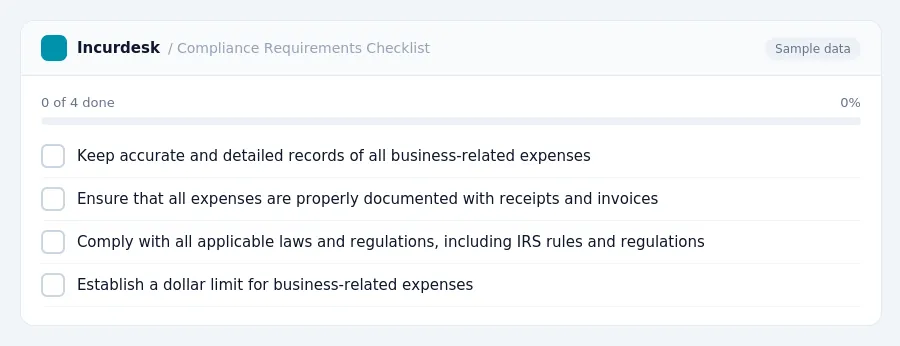
- Keep accurate and detailed records of all business-related expenses.
- Ensure that all expenses are properly documented with receipts and invoices.
- Comply with all applicable laws and regulations, including the IRS rules and regulations.
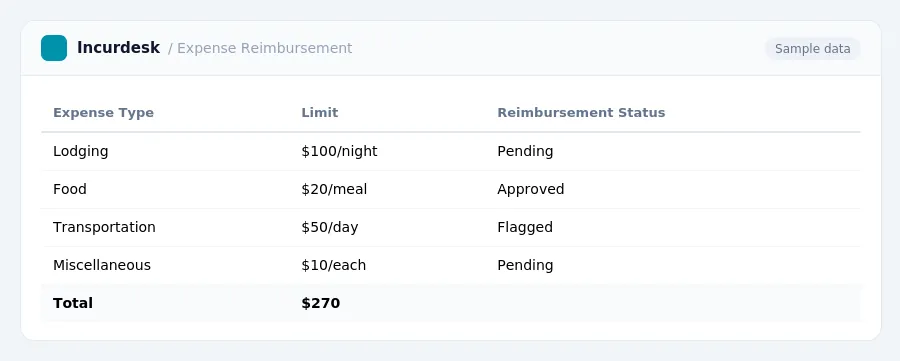
[Company Name] must also establish a dollar limit for business-related expenses, which may vary depending on the organization's size and type. It is recommended to consult with a tax professional or accountant to determine the appropriate dollar limit for [Company Name].
Expense Reimbursement Guidelines and Procedures
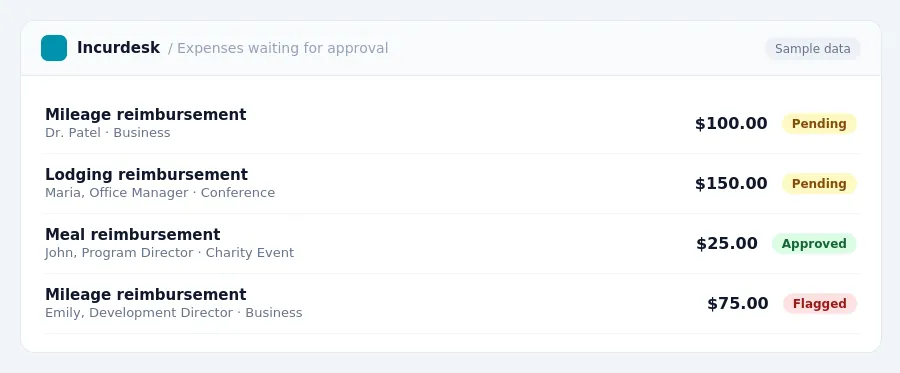
Reimbursements will be made for reasonable and necessary expenses incurred while on official business. The following rates will be used for mileage reimbursement:
- January 1 – June 30, 2026: 72.5 cents per mile for business use, 20.5 cents per mile for medical/moving purposes
- July 1 – December 31, 2026: 76 cents per mile for business use, 23.5 cents per mile for medical/moving purposes
- Charitable organizations: 14 cents per mile
Expenses will be reimbursed within [timeframe, e.g. 30] days of receipt of the expense report. Reimbursement will be made via [payment method, e.g. check or direct deposit]. The following documents are required for reimbursement:
- Itemized receipt
- Expense report
Expenses must be reasonable and related to official business. Meals will be reimbursed at [meal rate, e.g. $25 per meal] or actual cost, whichever is less. Lodging will be reimbursed at [lodging rate, e.g.
Documentation and Record-Keeping Requirements
To comply with IRS regulations, [Company Name] requires the following documentation and record-keeping requirements for travel expenses:
- All expenses must be adequately accounted for within 60 days of the date of the expense.
- Any excess reimbursement must be returned to [Company Name] within 120 days.
- Detailed receipts showing date, vendor, and purchase are generally required for lodging and meals.
- Itemized receipts are crucial for demonstrating the appropriateness of purchases and for audit purposes.
- A credit card slip alone is insufficient; an itemized receipt is needed.
To ensure compliance, employees must keep the following records:
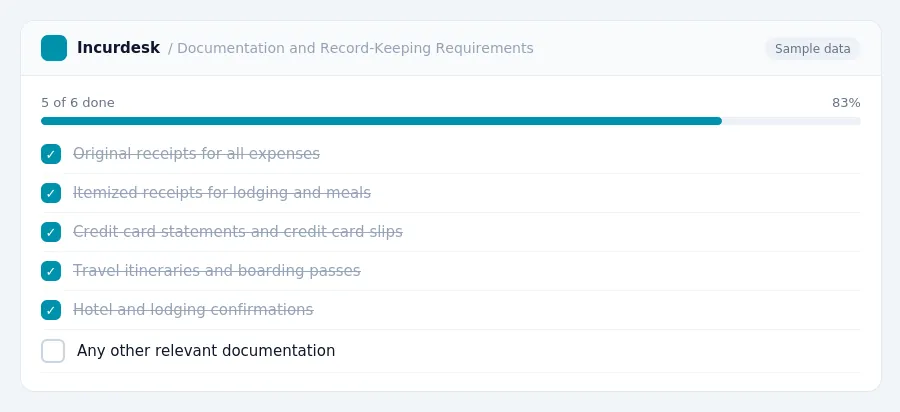
- Original receipts for all expenses
- Itemized receipts for lodging and meals
- Credit card statements and credit card slips
- Travel itineraries and boarding passes
- Hotel and lodging confirmations
- Any other relevant documentation
All records must be kept in a secure location and be available for review upon request.
Accountable Plan and Non-Reimbursable Expenses
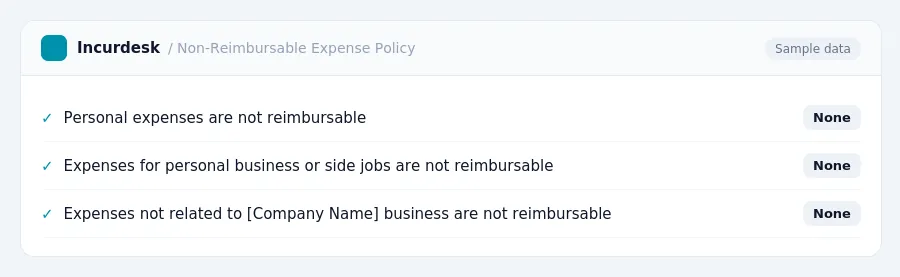
If the IRS Per Diem Rates change, [Company Name] will update the rates accordingly. For travel dates prior to October 1, 2026, the following rates apply: The following expenses are non-reimbursable:- Personal expenses, such as clothing and entertainment
- Expenses incurred for personal business or side jobs
- Expenses not related to [Company Name] business
Travel Advance and Excess Reimbursement Procedures
When issuing travel advances, [Company Name] requires employees to return any excess funds immediately at the end of the trip. To ensure compliance, clear rules for the use of travel advances are necessary. Advances should only be used for legitimate business expenses and should not be used for personal expenses.
Reimbursement procedures for excess funds are as follows:
- Excess funds must be returned to [Company Name] within 30 days of the trip.
- Employees must submit a detailed expense report, including receipts for all expenses, to support their reimbursement request.
- Reimbursement requests for excess funds will be reviewed and approved by [Company Name] management.
Non-reimbursable expenses, such as luxury upgrades and personal side trips, are not eligible for reimbursement under [Company Name]'s travel policy. Employees should carefully review their expenses to ensure they meet the requirements for reimbursement.
Excess reimbursement requests will be processed in a timely manner, but [Company Name] reserves the right to withhold reimbursement if the request is incomplete or does not meet the requirements for reimbursement.
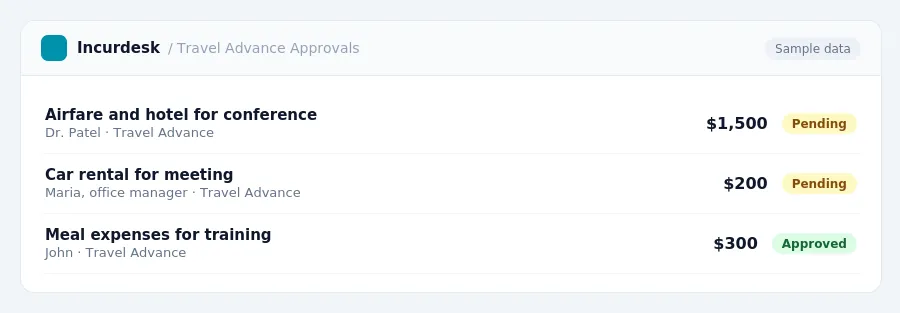
Keeping this simple: Incurdesk keeps receipts and approvals in one place, which makes a written policy easier to follow. It is built for small non profits teams. Try it free.
Stop losing 4+ hours a week
30-day free trial · No credit card · Setup in 15 minutes