
Volunteer Expense Reimbursement Rules for Nonprofits
A practical, data-backed guide to controlling costs and automating expense workflows.
These rules dictate that expenses must be documented and properly categorized, which is a crucial aspect of expense management for non-profit organizations.
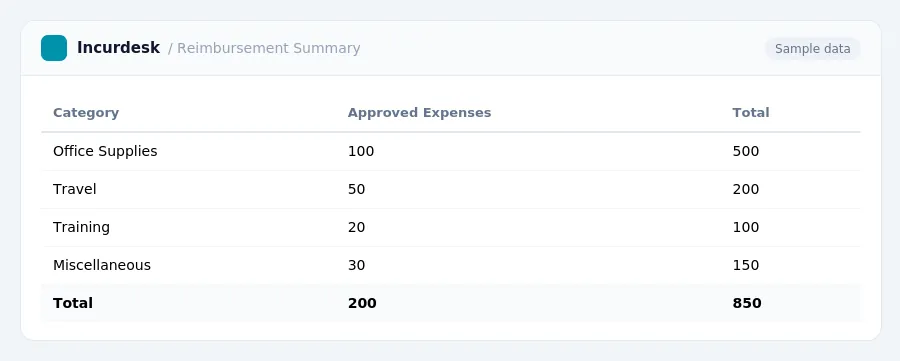
Eligible Expenses for Reimbursement
Reimbursable expenses for volunteers can include lodging and meals when overnight stays are necessary for volunteer work, provided they are reasonable and directly related to the nonprofit's mission.
Examples of eligible expenses include:
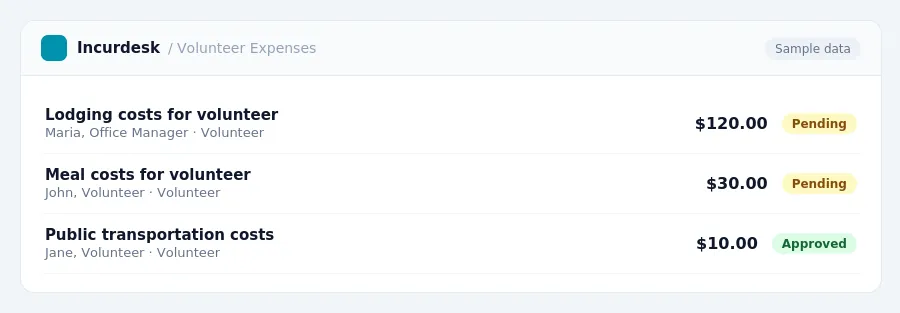
- Lodging costs for volunteers who must travel overnight for volunteer work
- Meal costs for volunteers who must travel for volunteer work and cannot purchase meals locally
- Public transportation costs, such as bus or train fares
However, personal expenses are generally not reimbursable, including:
- Babysitting costs
- The purchase or cleaning of everyday clothing
Nonprofits can offer advance payments for expenses, but these should not be paid more than a month in advance of the expense.
Documenting and Reporting Reimbursements
To ensure compliance, you'll need to document and report reimbursements properly. Here's how:
- Keep a record of all reimbursements, including the date, amount, and type of expense. This can be done using a spreadsheet or a log book.
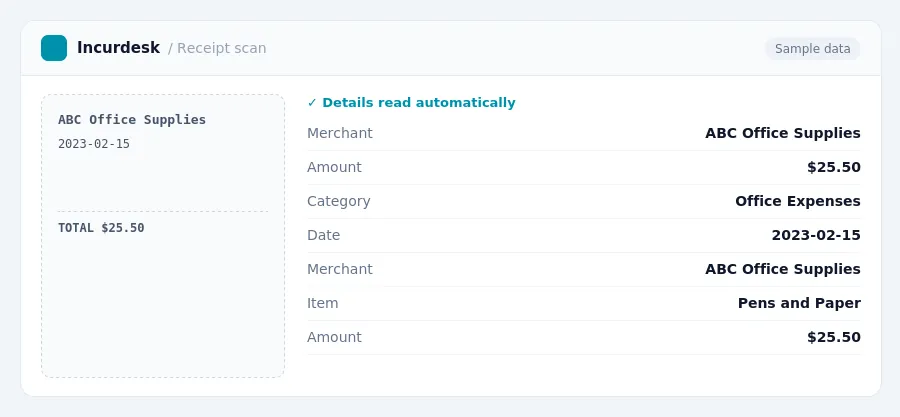
- When reimbursing a volunteer, provide them with a detailed receipt or invoice for the expense. This will help you track the reimbursement and ensure it's reported accurately.
- For mileage reimbursement, keep a log of the date, start and end mileage, and the total miles driven.
- Report all reimbursements on Form 990, Part IX, Expenses, and attach supporting documentation.
Remember to keep records for at least three years in case of an audit. If you're unsure about any aspect of reporting or documentation, consult with a tax professional or attorney for guidance.
Accountable Plan Requirements for Nonprofits
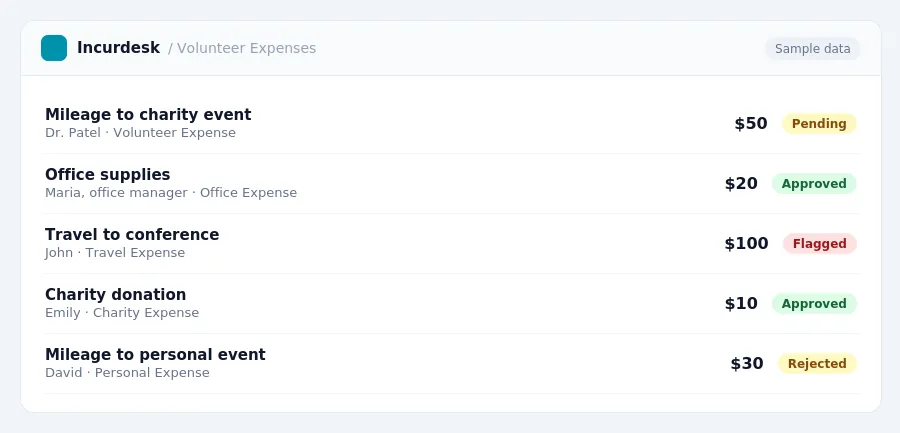
This plan requires that expenses have a business connection, which means the volunteer's expenses must be related to the nonprofit's activities. For example, if a volunteer is driving to a charity event, the mileage is an eligible expense. However, if a volunteer is driving to a personal event and also happens to drop off a donation, the mileage is not an eligible expense.
To meet the accountable plan requirements, nonprofits must ensure that volunteers adequately account for expenses within a reasonable period, which is generally 60 days. If a volunteer is given an advance for expenses, any excess advances must be returned within a reasonable period, which is generally 120 days.
However, nonprofits should keep accurate records of all reimbursements, including expense reports, receipts, and documentation, in case of an audit.
Best Practices for Reimbursement and Record-Keeping
When it comes to reimbursing volunteers, nonprofits need to follow best practices to ensure accurate and compliant record-keeping. Here are some guidelines to keep in mind:
- Keep detailed records of all volunteer reimbursements, including dates, amounts, and the purpose of the reimbursement. This will help you track expenses and provide necessary documentation in case of an audit.
- Use a mileage log to track volunteer mileage, including the date, miles driven, and the purpose of the trip.
- Document all receipts and invoices related to volunteer reimbursements. This includes receipts for gas, parking, and other expenses.
- Reconcile reimbursements regularly to ensure that they are accurate and within the allowed rates.
- Keep records for at least 3 years in case of an audit. This will help you provide necessary documentation and support your reimbursement claims.
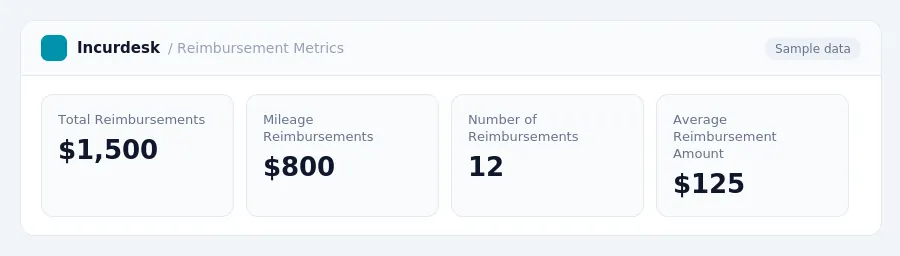
Keeping this simple: Incurdesk keeps receipts and approvals together, so you know exactly what to reimburse. It is built for small non profits teams. Try it free.
Stop losing 4+ hours a week
30-day free trial · No credit card · Setup in 15 minutes