
What Poor Expense Documentation Costs at Audit Time
A practical, data-backed guide to controlling costs and automating expense workflows.
Larger non-profits may face fines of up to $65,000. Maintaining meticulous records is crucial for expense management for non-profit organizations to demonstrate compliance, transparency, and responsible stewardship of donor funds.
Best Practices for Expense Record-Keeping and Reimbursement
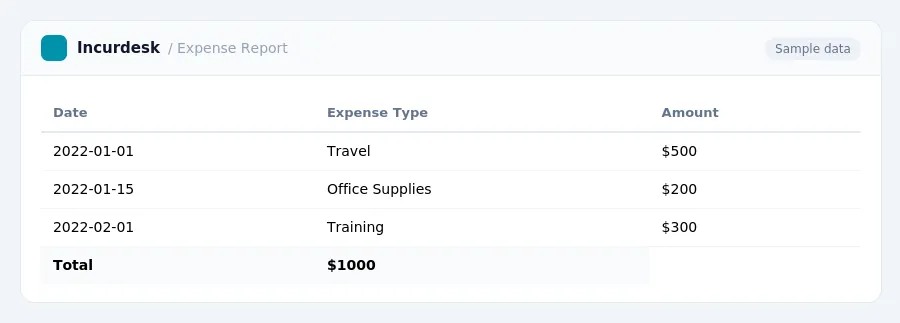
Use a standardized system for categorizing and coding expenses to facilitate easy tracking and reconciliation.
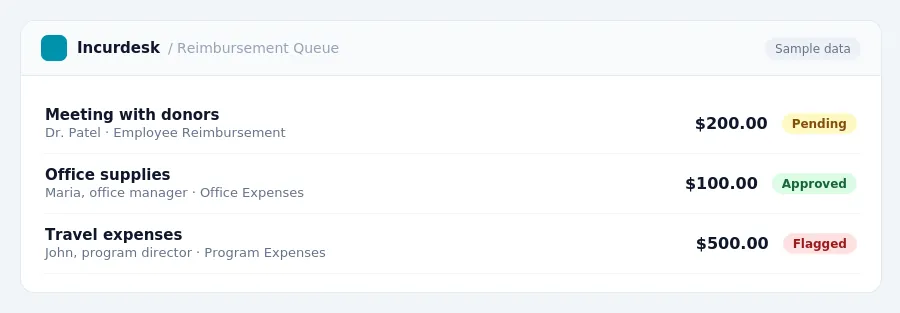
When reimbursing employees, use a consistent process that includes submitting a reimbursement request, providing supporting documentation, and receiving approval from a designated authority. Consider using a reimbursement policy that outlines the process and requirements for employees.
For large or unusual expenses, consider obtaining pre-approval from the organization's management or board of directors. This can help prevent delays and ensure that expenses are aligned with the organization's goals and budget.
Organize expense records in a way that makes it easy to locate and retrieve specific documents. Consider scanning and digitizing paper receipts or using cloud-based storage to ensure that records are secure and accessible.
When preparing for an audit, ensure that all expense records are up-to-date and easily accessible. Consider conducting a thorough review of expense records to identify any discrepancies or issues that may need to be addressed.
Keeping this simple: Incurdesk keeps receipts and approvals in one place, which makes a written policy easier to follow. It is built for small non profits teams. Try it free.
State-Specific Audit Requirements and Thresholds
State-specific audit requirements and thresholds vary significantly, often based on gross revenue or contribution amounts.
When preparing for an audit, it's essential to understand your state's specific requirements. Check with your state's charity registration office or review your state's charitable solicitation laws to determine the threshold that applies to your nonprofit.
Larger nonprofits face $130 per day, up to $65,000.
To ensure compliance, maintain accurate and detailed records of all financial transactions, including receipts, invoices, and bank statements.
The Importance of Expense Documentation for Nonprofits
Expense documentation is crucial for nonprofits to maintain transparency, accountability, and compliance with tax laws. Nonprofits must keep financial records, including expense documentation, for at least seven years from the filing date of the related tax return.
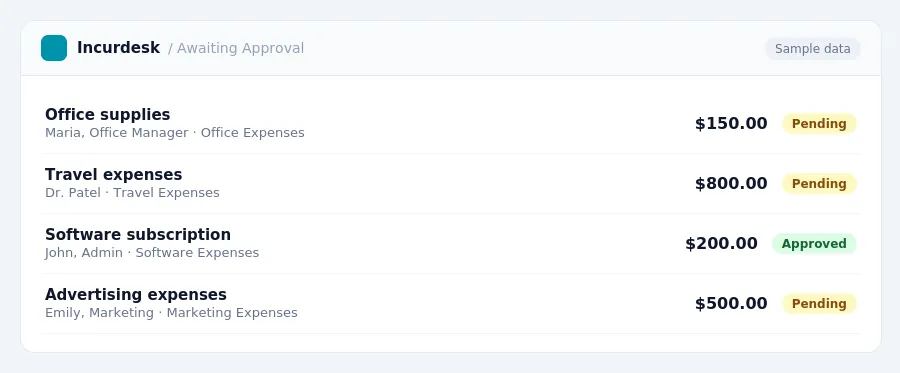
When it comes to reimbursing employees for expenses, nonprofits must have an accountable plan in place.
This is a critical step in maintaining transparency and ensuring that donors can accurately report their charitable contributions.
This helps to ensure that nonprofits are accurately tracking and reporting their expenses, which is essential for compliance and transparency.
Consequences of Inadequate Expense Documentation
- Larger nonprofits face a fine of $130 per day, up to $65,000.
Additionally, inadequate expense documentation can lead to loss of tax-exempt status, which can have long-term consequences for your organization's fundraising and operations.
It's essential to maintain meticulous records to avoid these consequences. Make sure to keep accurate and detailed records of all expenses, including receipts, invoices, and bank statements.
Stop losing 4+ hours a week
30-day free trial · No credit card · Setup in 15 minutes