
Why Accountable Plans Matter More for Nonprofits Than Anyone Else
A practical, data-backed guide to controlling costs and automating expense workflows.
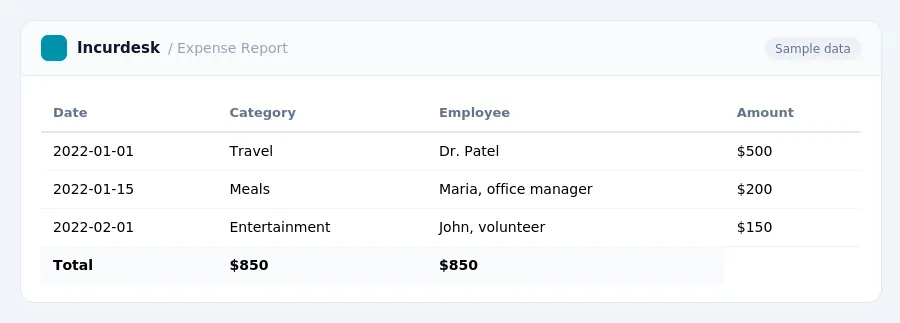
For small non-profit organizations in the US, accountable plans are a crucial tool for expense management. These plans allow you to reimburse employees for expenses related to business travel, meals, and entertainment, while also providing a way to track and verify those expenses. For the bigger picture, see our guide to expense management for non-profit organizations.
Common Pitfalls and Best Practices for Managing Accountable Plans
- Policy must be in place before expenses are incurred and reimbursed. Accountable plans cannot be applied retroactively to expenses that have already been reimbursed under a non-accountable system.
To avoid errors, make sure to:
- Establish a clear policy before reimbursing employees for expenses.
- Require employees to submit receipts and documentation for all expenses.
- Verify that expenses are reasonable and necessary.
- Keep accurate records of all expenses and reimbursements.
Additionally, be aware of specific state or local regulations that may affect how reimbursements are handled or reported. Check with your state or local government to ensure compliance.
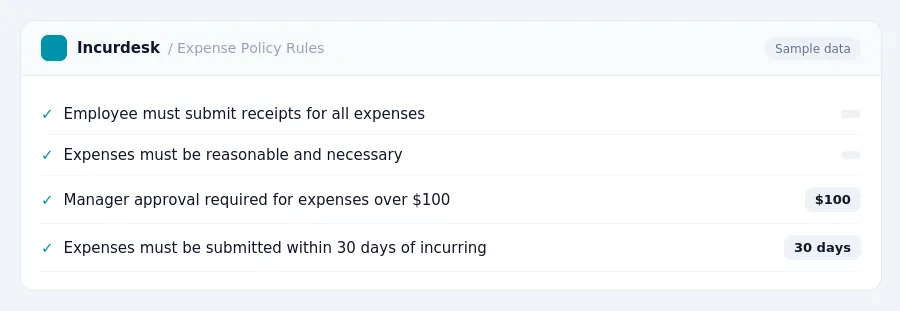
Keeping this simple: Incurdesk keeps receipts and approvals in one place, which makes a written policy easier to follow. It is built for small non profits teams. Try it free.
2026 Rates and Updates: Impact on Nonprofit Accountable Plans
Nonprofit organizations should check the official government website for the most up-to-date rates, which vary by location. These rates can be found on the General Services Administration website.
Keeping accurate records is crucial to ensure compliance and maximize reimbursement under an accountable plan.
What is an Accountable Plan and Why Does it Matter for Nonprofits
What is an Accountable Plan and Why Does it Matter for Nonprofits?
This can save your nonprofit money on taxes and help reduce the administrative burden of tracking and reporting employee expenses.
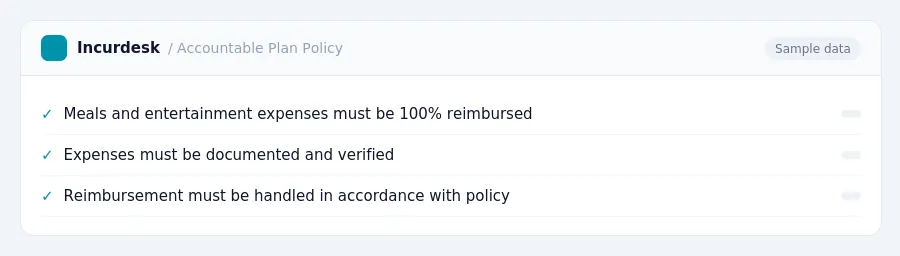
One of the benefits of an accountable plan is that it can reimburse 100% of meal and entertainment expenses.
This can help ensure compliance with tax laws and regulations and provide a clear framework for reimbursing expenses.
To establish an accountable plan, your nonprofit should create a formal, written policy that outlines the procedures for submitting and reimbursing expenses. This policy should include guidelines for what types of expenses are eligible for reimbursement, how expenses will be documented and verified, and how reimbursement will be handled.
Benefits of Implementing an Accountable Plan for Nonprofit Organizations
Implementing an accountable plan can have numerous benefits for nonprofit organizations. For expenses to be eligible for reimbursement under an accountable plan, they must have a clear and legitimate connection to the nonprofit's mission and operations.
- The nonprofit avoids paying the employer's share of payroll taxes (FICA) on these reimbursed amounts.
Reimbursement under an accountable plan can also provide a convenient way to manage business expenses and ensure that employees are not personally responsible for paying back expenses that are not related to the nonprofit's mission.
When implementing an accountable plan, it's essential to ensure that all expenses are properly documented and that employees understand the plan's requirements and guidelines. This can help minimize the risk of errors or misclassification of expenses.
Stop losing 4+ hours a week
30-day free trial · No credit card · Setup in 15 minutes