
Year-End Expense Review for Solo Attorneys
A practical, data-backed guide to controlling costs and automating expense workflows.
As a solo attorney or office manager at a small law firm in the US, effectively managing expenses is crucial to maximize tax benefits. expense management for law firms. For a complete overview, see our expense management guide.
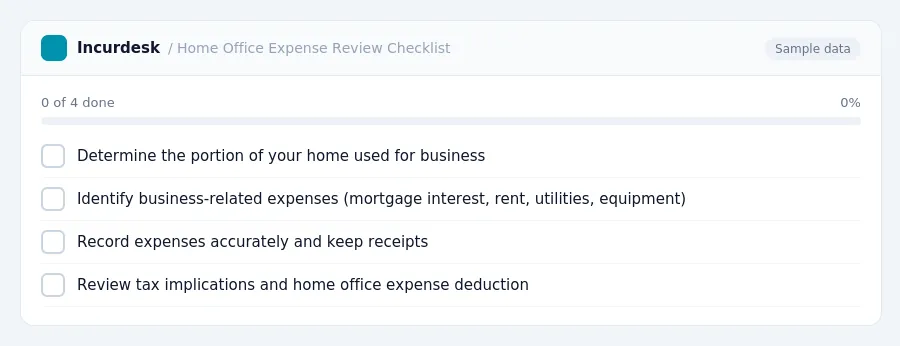
- Determine Your Home Office Space:
- Choose Your Method:
- Keep Accurate Records: You should also keep records of your business-related expenses, such as mortgage interest, rent, utilities, and equipment costs.
- For single filers, the range is from $201,750 to $276,750, and for joint filers, it's from $403,500 to $553,500. This may impact your overall tax liability and your ability to deduct your home office expenses.
Retirement Savings and Self-Employment Taxes
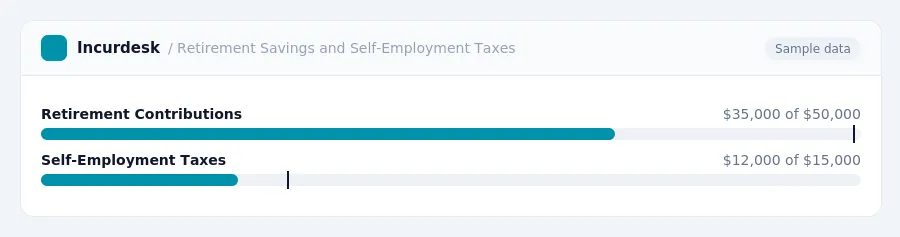
- Consider contributing the maximum allowed to your retirement plan to take advantage of tax savings. The annual contribution limit for 2026 varies, so check with your plan administrator or tax professional for the current limit.
- Keep accurate records of your retirement contributions and self-employment income to ensure accurate tax reporting and to support your tax deductions.
Remember to review your self-employment tax liability and adjust your retirement contributions accordingly to minimize your tax liability.
Year-End Expense Planning for Small Law Firms
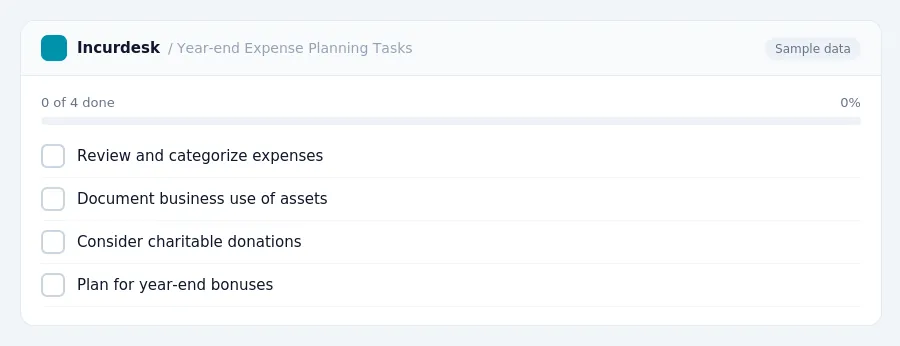
As the year comes to a close, it's essential for small law firms to review their expenses to ensure they are maximizing their tax benefits. Here are some practical steps to consider:
- Review and categorize expenses: Go through all your firm's financial records and categorize expenses into business and personal categories. This will help you identify areas where you can optimize your tax deductions.
- Document business use of assets: Keep accurate records of business use for assets such as computers, printers, and other equipment. This will help you calculate depreciation and other tax benefits.
- Consider charitable donations: If your firm is making charitable donations, ensure you have the necessary documentation to claim these on your tax return.
- Plan for year-end bonuses: If you plan to pay year-end bonuses to employees, consider the tax implications and ensure you are in compliance with relevant laws and regulations.
- Review and adjust business insurance: Review your firm's business insurance coverage and adjust as needed to ensure you have adequate coverage for the upcoming year.
- Take advantage of tax-deferred retirement plans: If you haven't already, consider setting up tax-deferred retirement plans for yourself and your employees to save for the future.
Keeping this simple: Incurdesk turns submitted expenses into clean expense reports. It is built for small law firm teams. Try it free.
Stop losing 4+ hours a week
30-day free trial · No credit card · Setup in 15 minutes