
Tech Expense Management Software — Free Trial
Tag expenses by project and team. Sync with QuickBooks, Xero, and Sage Intacct. Approve from your phone in 8 seconds.
Tech teams lose 4+ hours per week to manual expense reports. Incurdesk supports Section 174 R&D categorization, tracks SaaS subscriptions, and integrates with Jira, GitHub, and Slack.

Technology expense management is the systematic process of monitoring, controlling, and optimizing an organization's IT-related expenditures to ensure alignment with business objectives and maximize return on investment (ROI). It encompasses all stages from procurement to payment, ensuring transparency, accuracy, and cost efficiency across the technology spend lifecycle.
This guide is designed to walk practitioners through key aspects of effective technology expense management: (1) categorizing and understanding technology costs, (2) selecting and implementing appropriate expense management software, (3) establishing strong tracking and reporting mechanisms, and (4) applying strategies for ongoing cost optimization and policy enforcement.
What You'll Need Before You Start
Effective technology expense management begins with preparation; gather these essential elements to streamline your process and ensure accuracy.
Data and Access Prerequisites
- IT Asset Inventory: A comprehensive list of all technology assets, including hardware, software, and licenses.
- Contract Repository: Access to all technology service contracts, including dates, terms, and pricing details.
- Historical Expense Data: At least 6 months of detailed technology expenditure records for trend analysis.
- Network and Cloud Service Logs: Usage logs for cloud services, bandwidth, and network utilities to identify optimization opportunities.
Tools and Team Requirements
- Expense Management Software (e.g., Concur, Expensify) configured for technology expense tracking.
- Spreadsheet Analysis Tool (e.g., Microsoft Excel, Google Sheets) for data manipulation and reporting.
- Dedicated IT Representative for technical insights and validation of technology expenses.
- Financial Analyst for budgeting, forecasting, and expense reconciliation.
Pro Tip: Utilize your IT Asset Inventory to cross-reference with Historical Expense Data to immediately identify unused or over-provisioned services for quick cost-saving opportunities.
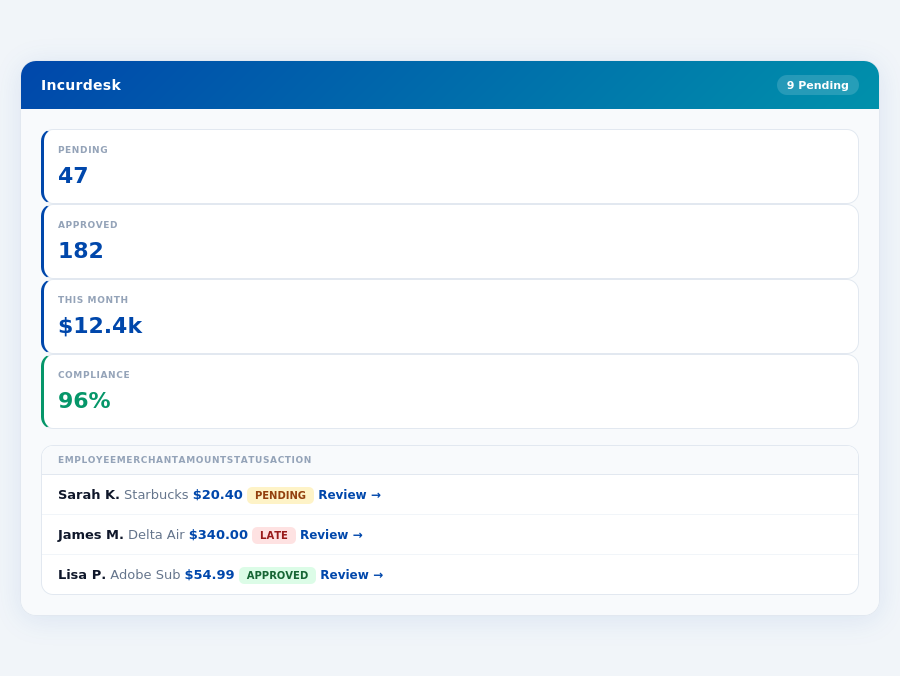
Step 1: Assess Current Technology Landscape and Spending
Accurately assessing your organization's current technology landscape and spending is crucial for effective expense management, as it forms the basis of your Total Cost of Ownership (TCO) analysis. This step helps identify inefficiencies and opportunities for optimization across various technology expenditure categories.
Evaluating Departmental Interdependencies
The interplay between IT departments, Procurement departments, and Finance departments is vital in managing technology expenses. For instance, Telecom expenses and Mobile device expenses often fall under the joint oversight of IT and Procurement, with Finance handling the financial implications. Meanwhile, SaaS subscriptions, Software licensing, and Cloud platforms (IaaS, PaaS, SaaS) require a coordinated approach to ensure licensing compliance and cost optimization.
Hardware and infrastructure services and IoT connectivity services add another layer of complexity, necessitating a thorough review of Vendor contracts to ensure alignment with organizational needs and compliance with regulations such as the General Data Protection Regulation (GDPR) [1].
A comprehensive assessment will reveal where costs can be streamlined, such as consolidating SaaS subscriptions or renegotiating Vendor contracts for better terms on Cloud platforms.
| Category | Examples | Type |
|---|---|---|
| Telecom & Mobile | Telecom expenses, Mobile device expenses | Variable |
| Cloud Services | IaaS, PaaS, SaaS subscriptions | Variable |
| Software Licensing | Perpetual licenses, Subscription-based licenses | Fixed/Variable |
| Hardware & Infrastructure | Servers, IoT connectivity services | Fixed |
| Vendor Management | Contract review for all tech services | Fixed |
The assessment often reveals that a significant portion of expenses is dedicated to Cloud platforms and SaaS subscriptions, highlighting the need for a cloud-first strategy that balances flexibility with cost control, as noted in a study on IT expense management best practices [2].
Pro Tip: Implement a centralized asset management system to track Hardware and infrastructure services and Software licensing in real-time, enabling data-driven decisions for the IT, Procurement, and Finance departments.
Step 2: Centralize Data Collection and Management
Accurate technology expense management hinges on centralized data collection and management, as decentralized data silos can lead to overspending and inefficiency. The key concept here is a Centralized platform/system that aggregates all technology-related expenses and asset information.
Implementing a Unified View of Technology Expenses
To achieve this centralized view, the first step involves setting up Automated invoice processing to streamline the collection of financial data from various vendors. This process should be complemented with Inventory management that covers telecom, mobile, software licenses, and hardware assets, ensuring all technology expenditures are accounted for.
Vital to this system is the integration of Vendor information, Usage records, and Service records to provide a comprehensive overview of technology spending. Furthermore, integrating Corporate card integration and Automated receipt capture ensures that all expenses, including those not billed through traditional invoices, are captured accurately.
This approach not only reduces administrative burdens but also enhances compliance with standards like COBIT [3], which emphasizes the importance of centralized IT governance and management.
| Category | Examples | Type |
|---|---|---|
| Telecom Expenses | Phone Bills, Internet Services | Variable |
| Software Licenses | Productivity Suites, Security Software | Fixed |
| Hardware Assets | Desktops, Laptops, Mobile Devices | CapEx |
| Vendor Services | Cloud Storage, Consulting Fees | Variable |
| Travel & Miscellaneous | Conferences, Corporate Card Expenses | Variable |
A critical insight from implementing such a system is the ability to identify shadow IT expenditures, which can amount to a significant portion of a company's unseen tech spend. According to a study by Gartner [4], organizations can reduce their IT expenses by up to 15% by simply identifying and managing these hidden costs effectively.
Pro Tip: Regularly schedule Automated invoice processing to run at the beginning of each month to catch all previous month's expenses in one batch, reducing the likelihood of missed invoices and simplifying reconciliation processes.
Step 3: Analyze and Optimize Technology Costs
This step is crucial because effective technology cost analysis directly impacts the bottom line. The key concept here is Total Cost of Ownership (TCO), which encompasses all direct and indirect costs associated with technology assets and services.
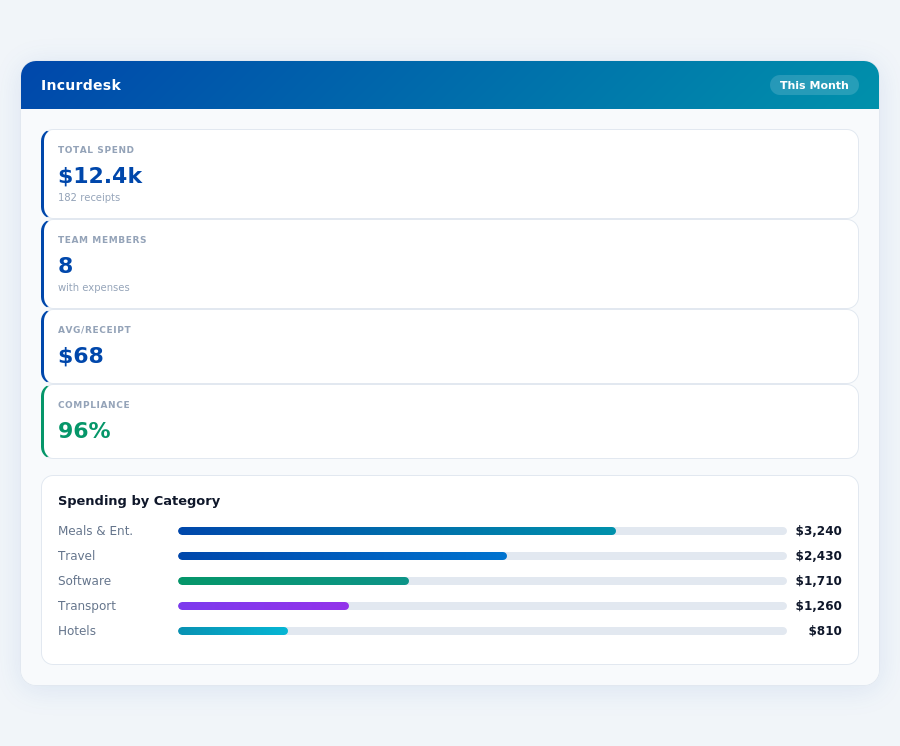
Evaluating and Refining Your Tech Spend Portfolio
To analyze and optimize technology costs, start by conducting thorough Auditing of all technology expenditures. This will reveal areas for Cost reduction, such as Billing error recovery and License right-sizing. For instance, a detailed audit might uncover over-provisioned licenses that can be right-sized to match actual user needs, significantly reducing costs. Additionally, using Carrier contract negotiation and optimization can yield substantial savings by ensuring contracts are aligned with current market rates and organizational needs.
A strategic approach involves Vendor consolidation to simplify the vendor landscape and enhance negotiating power. Moreover, adopting AI-powered automation can streamline cost tracking and prediction, enabling proactive decision-making. Regular Analytics and reporting will provide insights into spending patterns, facilitating Optimizing resource utilization. For example, analytics might show that certain cloud services are underutilized, prompting a reallocation of resources.
Ensure compliance with regulatory standards such as the Sarbanes-Oxley Act [5], which mandates accurate financial reporting, including technology expenses. This involves not only financial transparency but also demonstrating how cost optimization strategies align with overall governance and risk management frameworks.
| Category | Examples | Type |
|---|---|---|
| Carrier Services | Mobile Plans, Internet Connectivity | Carrier contract negotiation and optimization | Variable |
| Software Licensing | Productivity Suites, Specialized Apps | License right-sizing | Fixed |
| Vendors & Providers | Cloud Storage, IT Support | Vendor consolidation | Variable |
| Operational Efficiency | AI-powered automation for Cost Tracking, Optimizing resource utilization | Fixed |
| Audit & Compliance | Auditing, Billing error recovery, Sarbanes-Oxley Act Compliance | Fixed |
A key insight from practitioners is that the most effective cost optimizations come from combining Analytics and reporting with proactive Cost reduction strategies, tailored to the organization's growth trajectory [6].
Pro Tip: Implement a "cost champion" role within your team, responsible for monthly Auditing and ensuring all Vendor consolidation and License right-sizing efforts are tracked and realized.

Step 4: Enforce Policies and Establish Governance
Effective technology expense management hinges on Policy enforcement, ensuring that established guidelines are consistently applied across the organization. This step is crucial for maintaining control over technology expenditures and ensuring regulatory compliance.
Implementing Real-Time Controls and Governance Frameworks
To enforce policies effectively, organizations must use Real-time monitoring and policy control of usage. This approach allows for immediate identification and correction of non-compliant activities. For instance, setting Spend controls/limits on cloud services can prevent unexpected cost overruns. Moreover, Automated chargeback and allocation systems can streamline the billing process back to departments, enhancing accountability.
A key aspect of governance is establishing Customizable approval workflows that align with the organization's hierarchical structure. This ensures that all technology expenses undergo the appropriate level of scrutiny before approval. Additionally, maintaining IRS-compliant recordkeeping is vital for tax purposes and audits, highlighting the importance of integrating financial and technology management systems.
Compliance with Regulatory requirements, such as the Sarbanes-Oxley Act [7], necessitates a strong governance framework. This act mandates strict financial reporting and record-keeping standards, which directly impact how technology expenses are managed and audited.
| Category | Examples | Type |
|---|---|---|
| Policy Enforcement Mechanisms | Access Controls, Usage Quotas | Fixed |
| Real-time Monitoring Tools | Network Analyzers, Cloud Cost Trackers | Variable |
| Spend Controls/Limits | Departmental Budget Caps, Project-Based Allocations | Fixed |
| Automated Chargeback Systems | Departmental Billing Software, Cost Allocation Tools | Variable |
| Compliance & Regulatory | Sarbanes-Oxley Act Compliance Checks, IRS Reporting Tools | Fixed |
A significant qualitative insight from implementing such a governance framework is the enhanced Audit accuracy it provides. By having clear, enforceable policies and real-time monitoring in place, organizations can more confidently face audits, knowing their financial records and technology expenditures are transparent and compliant [8].
Pro Tip: Utilize your technology expense management platform to schedule periodic policy review sessions with key stakeholders, ensuring that Policy enforcement mechanisms remain aligned with evolving business needs and Regulatory requirements.
Step 5: Implement Continuous Monitoring and Reporting
Effective technology expense management hinges on Real-time visibility and control over expenditures. This step is crucial because it enables proactive decision-making, reducing the risk of cost overruns and ensuring alignment with strategic objectives. The key concept here is Continuous improvement, where ongoing monitoring and analysis drive iterative enhancements in expense management practices.
Using Technology for Enhanced Oversight
To achieve Real-time visibility and control, implement a system that provides Analytics and compliance reporting. This not only streamlines Custom reporting needs but also ensures adherence to regulatory standards, such as GDPR [9], which mandates transparent data handling practices. Integrating your expense management tool with ERP integration capabilities further enhances operational efficiency by automating data flows between systems.
A Strategic asset in this context is the ability to derive actionable insights from your expense data. By analyzing spending patterns through Business intelligence Output, you can identify areas for cost optimization and make data-driven decisions. For instance, detailed analytics might reveal unnecessary subscriptions or underutilized resources, prompting adjustments to align expenditures more closely with business priorities.
Regular Analytics and compliance reporting sessions with the management team will not only ensure regulatory adherence but also foster a culture of Continuous improvement. Discussions might focus on how to reduce variability in certain expense categories or how to better allocate fixed costs, reflecting the dynamic nature of technology expenses.
| Category | Examples | Type |
|---|---|---|
| Custom Reporting Needs | Monthly Spend by Department, Quarterly Tech Expense Ratios | Variable |
| ERP Integration Points | Financial Modules, Asset Management Systems | Fixed |
| Real-time Visibility Metrics | Spend Velocity, Over-Spend Alerts | Variable |
| Compliance & Analytics | Governance Reports, Trend Analysis | Fixed |
| Strategic Asset Management | License Optimization, Cloud Utilization Reviews | Variable |
A key qualitative insight from successful implementations is the importance of aligning Business intelligence Output with core business objectives. For example, if a company's goal is to reduce operational costs, the BI output should clearly highlight areas of inefficiency in tech spending, such as redundant software licenses or underutilized cloud services [10]. This targeted approach ensures that expense management efforts directly contribute to overarching strategic goals.
Pro Tip: Schedule a quarterly "Tech Expense Health Check" with your finance and IT leaders to review Analytics and compliance reporting, discuss Continuous improvement opportunities, and align strategies around your technology expenditures.

Common Mistakes to Avoid in Technology Expense Management
Effective Technology Expense Management (TEM) is crucial for organizations to optimize their IT spending. However, several common pitfalls can hinder the success of TEM initiatives. Being aware of these mistakes is the first step towards avoiding them.
- Insufficient Auditing of Vendor Invoices: Failing to regularly audit invoices from technology vendors can lead to overpayment due to incorrect charges or unapproved services. Implementing automated audit tools can significantly reduce financial losses.
- Not Standardizing Asset Tagging and Tracking: Inconsistent or missing asset tagging makes it difficult to monitor device and software deployments, leading to potential license compliance issues and unused resources. A unified tagging system across all departments is essential.
- Ignoring Employee Behavior and Training: Poor user practices, such as unauthorized software downloads, can lead to security risks and unnecessary expenses. Regular training sessions on best practices and the importance of adherence to IT policies are vital.
- Overlooking Cloud Service Utilization Reviews: With the shift to cloud services, periodic reviews of cloud resource utilization are crucial. Failing to do so can result in paying for underutilized or unused cloud services, leading to significant wastage.
- Delaying the Implementation of Automated TEM Solutions: Manual processes are prone to errors and consume more time. Delaying the adoption of automated TEM tools can exacerbate existing management challenges, leading to higher operational costs and reduced efficiency.
What This Guide Does Not Cover
This guide focuses on operational expense management for Technology organizations. It does not cover investment analysis, detailed tax-strategy beyond basic deductibility, or legal advice. For specifics, consult a qualified accountant or attorney familiar with your jurisdiction and Technology regulations.
Conclusion
Effective technology expense management is not a one-time achievement, but an ongoing discipline. It requires consistent monitoring, categorization, and analysis of expenses, as outlined in the preceding steps. By regularly reviewing contracts, optimizing resource allocation, and staying vigilant for unauthorized expenditures, organizations can maintain a tight grip on their technology spending.
Embracing this disciplined approach ensures long-term financial health and strategic technology investment. To streamline this process, tools like Incurdesk can be leveraged, automating the tracking of technology expenses and providing real-time insights that inform smarter decision-making.
Sources & References
- IT Dashboard: Home — U.S. Government
- Improving Outcomes Through Federal IT Spending Transparency — Performance.gov (U.S. Government)
- TEM - Technology/Telecom Expense Management — ETMA (Enterprise Technology Management Association)
- The FinOps Foundation — The Linux Foundation
- IT Budget & Efficiency Benchmark — Gartner
- Introducing Forrester's IT Spend Management Framework — Forrester
- IT Spend, Risk Advisory — Deloitte
- Financial management — PwC
- Best Cloud Financial Management Tools Reviews 2026 — Gartner Peer Insights
- Key Players in the Telecom Expense Management (TEM) Market — Mindglobal
What is the average ROI timeframe for implementing automated expense management tools in tech firms?
How do I categorize and track software subscription expenses across multiple departments?
What are key metrics to measure the effectiveness of tech expense management strategies?
Can I integrate my existing accounting software with new expense management tools?
How often should tech firms review and optimize their expense management policies?
What's the best approach to handle international expense reporting for remote tech teams?
Can expense management tools help in identifying and preventing fraudulent activities?
How do I ensure GDPR compliance for employee expense data within our tech expense management system?
Find guides tailored to your team and location.
Ready to manage expenses like a pro?
30-day free trial · No credit card · Setup in 15 minutes